

A Simple Guide To Tyre Pressure: Everything You Need to Know for Safer Driving
When it comes to car maintenance, tyre pressure is easy to ignore. Nothing seems wrong, so it slips down the priority list. That is, until the car starts feeling off or something goes wrong.
What many drivers don’t realise is how quickly things can change. A small pressure drop can quietly affect fuel use and grip, especially in wet conditions. You won’t always notice it straight away, but it’s there. This guide from the experts at TyresFlow UK breaks things down in a simple way on how to check your tyres, adjust them, and keep everything running as it should without overthinking it.
What You Need to Know About Tyre Pressure
At its simplest, tyre pressure is just the air inside your tyres. It’s measured in PSI or BAR, but the numbers matter less than what they actually do to your car. When the pressure is right, the tyres sit properly on the road. The car feels steady, turns smoothly, and responds the way you expect. Once that balance shifts, even slightly, things start to feel different.
Low pressure makes the tyres drag more. The engine works harder, fuel use creeps up, and the edges wear down faster. Too much pressure has the opposite effect; the middle of the tyre takes the strain, and grip drops off more than you might expect. Keeping the correct tyre pressure isn’t complicated. It just keeps everything working the way it should.
Finding the Right Pressure for Your Vehicle
Every car has its own recommended tyre pressure, and it’s there for a reason. You’ll usually find it on a sticker inside the driver’s door, in the handbook, or near the fuel cap. It’s not always the same front and back. Cars carry weight unevenly, so each set of tyres is doing a slightly different job.
If the car is loaded up with passengers or luggage, a small increase in pressure usually helps keep things stable. It also reduces extra wear that builds up over time. You might come across general tyre pressure UK charts online. They’re useful as a rough guide, but your car’s specific numbers are always the safer bet. Once you know those numbers, the real task is keeping them consistent.
How to Check Your Tyres Accurately
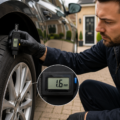
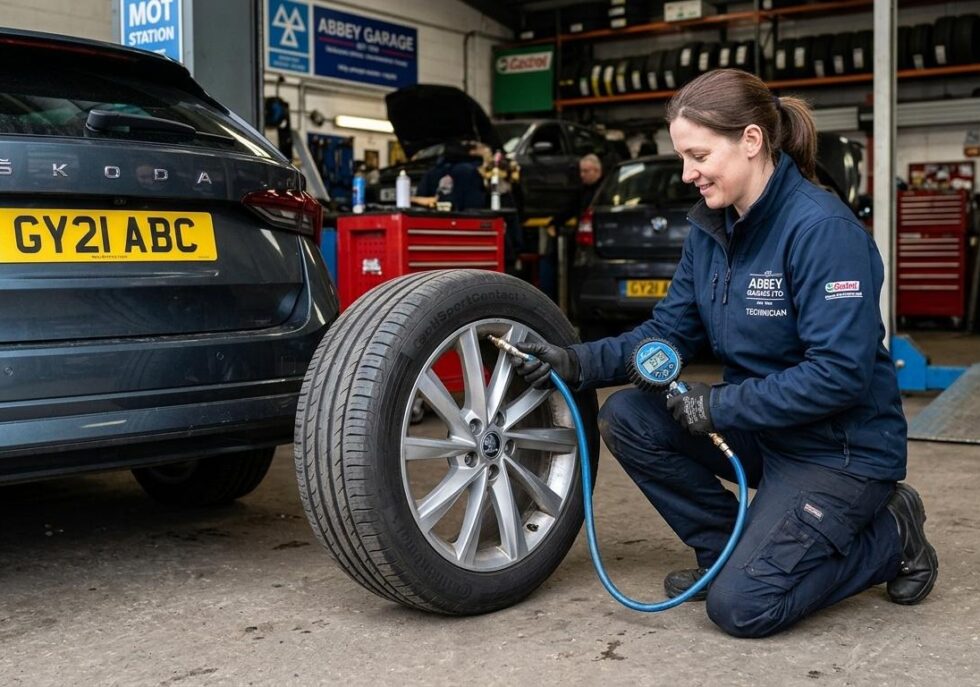
Checking tyre pressure is quick, but timing makes a difference. If the tyres are warm from driving, the reading will be higher than it should be. That’s why it’s better to check them before a journey or after the car has been parked for a while. Take off the valve cap, press the gauge onto the valve, and you’ll get an instant reading. From there, it’s just a matter of comparing it with the recommended level.
Some people prefer digital gauges because they’re easier to read. Others stick with manual ones. Either way works, as long as the reading is clear. Tyres lose air slowly over time, usually a small amount each month. It’s not enough to notice day to day, but over a couple of weeks, it adds up.
Adjusting Tyres the Right Way
Once you’ve checked the pressure, adjusting it is fairly straightforward. Most petrol stations have air machines, so it’s easy to top up when needed. The key is not to rush it. Adding air in short bursts gives you more control and helps avoid overshooting the target. It doesn’t take much, just a few PSI can change how the car feels on the road.
If you do go over, releasing air is simple. A light press on the valve brings it back down. A quick recheck at the end makes sure everything is even. It’s a small step, but it keeps the car feeling balanced.
Recognising When Pressure Is Off
You don’t always need a gauge to sense when something isn’t quite right. The car often gives subtle clues. With low pressure, steering can feel heavier, and the car may not respond as quickly. Fuel use can creep up without any obvious reason. Sometimes the tyre even looks slightly lower where it meets the road.
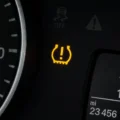
Too much pressure creates a different feel. The ride becomes firmer, and the car can feel less settled, especially when turning or braking suddenly. Many cars now have a Tyre Pressure Monitoring System (TPMS). It helps, but it’s not something to rely on completely. It usually warns you once the problem is already there.
The Effect of Temperature Changes
Tyre pressure shifts with the weather, often without you noticing. Colder air causes the pressure to drop, while warmer temperatures push it up. It’s a gradual change. One week, everything feels normal, and the next, the car feels slightly different, without any clear reason.
A useful rule is that a 10°C drop can lower pressure by around 1–2 PSI. It doesn’t sound like much, but it’s enough to affect how the car drives. That’s why it helps to check more often when the seasons start to change.
Clearing Up Common Misconceptions
There are a few ideas about tyre pressure that sound right but don’t quite hold up. One is the idea that more pressure always means better fuel efficiency. In reality, pushing it too far reduces grip and leads to uneven wear.
Another is that all tyres should match exactly. In most cars, they don’t. Front and rear tyres often need different levels. Then there’s the habit of judging by appearance. Tyres can look perfectly fine even when the pressure is off. It’s usually something you feel while driving, not something you see.
How Often Should You Check
Once you get into the habit, checking tyre pressure doesn’t feel like a chore. Every couple of weeks is enough for most people. It’s also worth doing before longer drives, just to be sure everything is as it should be. The spare tyre is easy to forget, but it matters just as much. When you need it, there’s no time to fix it. A simple routine keeps things predictable and avoids last-minute surprises.
Modern Tools That Make It Easier
Keeping track of tyre pressure is easier now than it used to be. Many cars show live pressure readings, which help you catch changes early. Portable inflators are also useful. Having one at home saves time and makes quick adjustments easier. Even so, it’s still worth checking things manually now and then. It keeps everything accurate and gives you a bit more confidence in the numbers.
Why Proper Pressure Saves Money and Lives
The benefits of correct tyre pressure show up over time. Fuel use stays lower, tyres last longer, and the car handles the way it should. It’s one of those small things that quietly makes a big difference. Ignore it, and the opposite happens. Costs go up, handling becomes less predictable, and the risk on the road increases. A few minutes now and then is usually all it takes to stay ahead of those tyre problems.
Conclusion
Looking after your tyres isn’t complicated. It comes down to paying attention and sticking to a simple routine. By keeping your tyre pressure where it should be, you make your car safer, more efficient, and easier to drive. It only takes a minute to check, but it can save you a lot more than that in the long run.