

How to Check Tyre Pressure (Step-by-Step Guide)
Tyres don’t usually get attention until something feels wrong. A slight pull, a drop in fuel efficiency, or just an uneasy feel on the road. Most of the time, it comes down to pressure.
A regular tyre pressure check quietly prevents most of those issues. It’s quick, doesn’t require much effort, and yet it has a direct impact on safety, fuel use, and tyre wear. Once you’ve done it a couple of times, it stops feeling like a task and becomes part of a normal routine.
Understanding Tyre Pressure Basics
Inside every tyre is a simple thing doing a lot of work: air. That air carries the weight of the vehicle and keeps everything balanced on the road. If it’s not right, the car starts to feel it in grip, braking, and overall stability.
There isn’t a universal “correct” number. Each vehicle is different. Manufacturers set specific values based on weight, size, and tyre setup. You’ll usually find them on a door sticker, fuel cap area, or in the manual. Front and rear tyres don’t always match either. What catches people off guard is this: tyres can look perfectly fine and still be under-inflated. That’s why visual checks don’t really tell the full story.
Tools And Preparation
Nothing complicated here. A basic tyre pressure gauge is enough, whether digital or manual. You’ll also need access to air; most people use a petrol station pump, though portable inflators work just as well.
Timing matters more than tools. Cold tyres give the most accurate reading, so it’s best to check them after the car has been sitting for a couple of hours. Once you’ve driven, heat changes the pressure slightly and can throw things off. Park the car somewhere flat, switch it off, and you’re ready to go.
Tyre Pressure Checking Process
Before jumping into the actual process, it helps to understand why a structured approach matters. Tyre pressure checks are easy to get wrong when they’re done casually or by guessing. A small mistake in reading or adjustment can affect all four tyres differently, which then impacts handling and comfort on the road.
Following a clear sequence keeps everything consistent. You’re not rushing between tyres or relying on memory; you’re simply checking, comparing, and adjusting in the same way each time. It also reduces the risk of missing something small, such as a slow leak or uneven pressure between the front and rear tyres.
Once that routine is in place, the actual steps become straightforward.
Step 1: Secure the vehicle
Start simple. Park properly, switch off the engine, and set the handbrake. You just want the car stable so you can move around it without thinking about it rolling.
Step 2: Locate the valve stem
Each tyre has a small valve with a cap on it. That’s your access point for air. Unscrew the cap and keep it somewhere safe; it’s small enough to disappear if you’re not paying attention.
Step 3: Measure the pressure
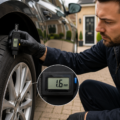
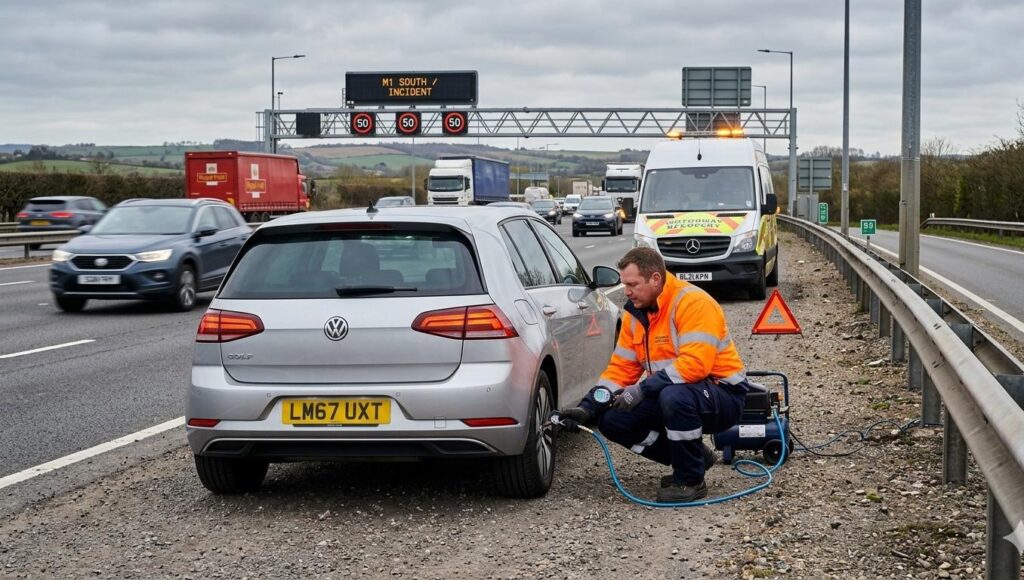
Push the gauge onto the valve. It should sit firmly. You might hear a quick hiss, then the reading settles. Do this for all four tyres, so you’re not guessing. People often pause here and search for how to check tyre pressure, but the process itself doesn’t really change; it’s just repetition across each tyre.
Step 4: Compare with recommended values
Now check what you’ve got against what the manufacturer recommends. That’s your baseline. If it’s lower, the tyre needs air. If it’s higher, some needs releasing. Either way, it’s worth correcting properly rather than leaving it “close enough.”
Step 5: Adjust air levels
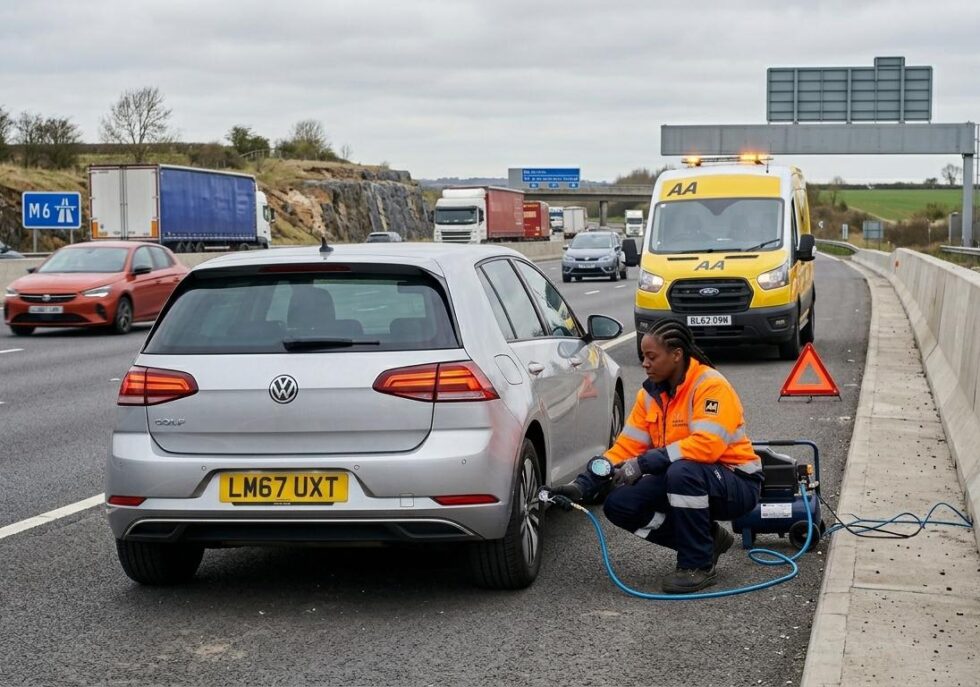
Add air in short bursts if needed. Check again after each adjustment. It’s easy to overshoot if you rush this part. If there’s too much air, release it slowly using the valve pin. Small changes work better than big ones here.
Step 6: Replace valve caps
Once everything is balanced, put the caps back on. They’re easy to ignore, but they help keep dirt out and reduce slow leaks over time.
How Often To Do A Tyre Pressure Check
Once a month is usually enough for most drivers. It keeps things consistent and helps you catch small changes early. Before long drives or when carrying extra weight, it’s worth checking again. Temperature drops also play a role; cold weather tends to reduce pressure gradually without any obvious signs. It doesn’t need to be complicated. Just something you get used to doing regularly.
Common Mistakes To Avoid
Checking tyres right after driving is a common one. The heat inside the tyre raises pressure slightly, which can lead to misleading readings. Relying on appearance is another. A tyre can look fine and still be far from the correct level.
Some drivers add extra air, thinking it improves fuel economy. A small increase might help a bit, but too much reduces grip and leads to uneven wear. Slow leaks tend to slip under the radar. You don’t notice them day-to-day, but over time, they affect how the car behaves.
Signs Of Incorrect Tyre Pressure
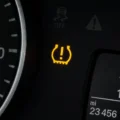
Tyres usually give hints before anything serious happens. Uneven tread wear is often the first one. You might also notice changes in fuel use or steering feel. The car may feel slightly heavier or less stable, especially at higher speeds. Sometimes vibrations show up through the wheel. Most newer cars will also warn you with a dashboard light, though that shouldn’t replace regular checks.
Benefits Of Maintaining Correct Pressure
When the pressure is right, everything feels more controlled. Steering is sharper, braking is more predictable, and the car sits better on the road. It also helps reduce fuel use since the engine isn’t working against unnecessary resistance. Over time, that adds up more than most people expect. Tyres last longer too, since wear spreads evenly instead of concentrating on one area. Even the ride feels smoother without you really noticing why.
Conclusion
A regular tyre pressure check doesn’t take much effort, but it quietly improves safety, efficiency, and tyre life all at once. Even small drops in pressure can change how the car handles, so catching it early keeps things steady on the road and helps avoid unnecessary wear on the tyres. Once it becomes part of your routine, it barely feels like maintenance at all; more like a quick habit you don’t even think twice about.
If something ever feels off or the numbers don’t look right, it’s usually better not to second-guess it. A quick professional check can confirm everything in minutes and remove any uncertainty, especially if you’re unsure whether the readings are accurate or consistent.