

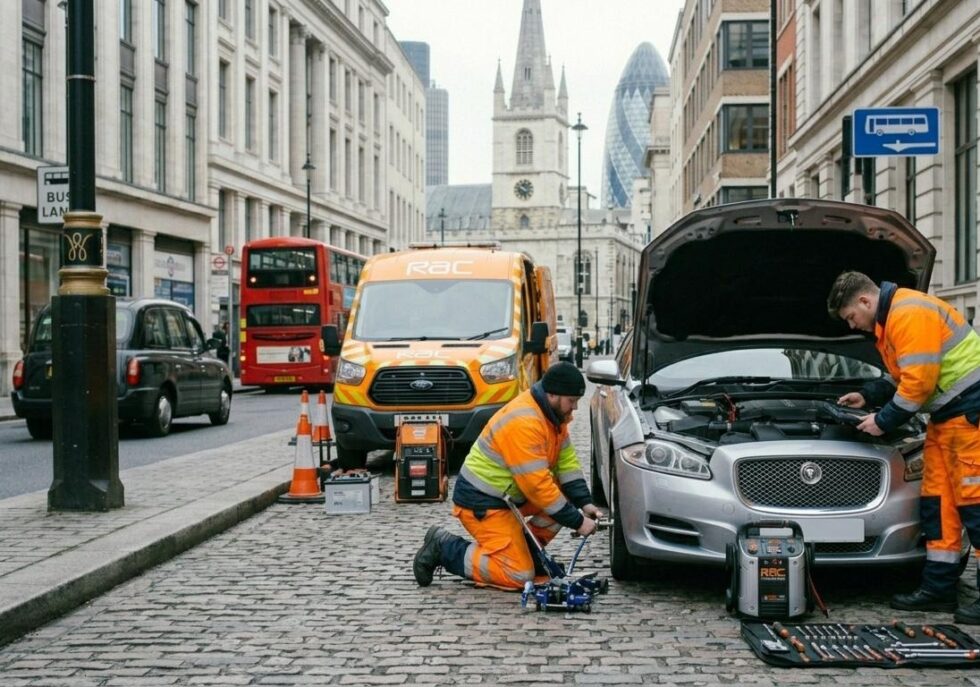
When Should You Check Your Tyre Pressure? Some Tips To Avoid Costly Damage
Most people only think about their tyres when something feels off… or when that warning light suddenly shows up. And by then, it usually isn’t a “new” problem. It’s been building quietly in the background for a while.
That’s where the timing matters. Knowing when should tyre pressure be checked is one of those small habits that doesn’t feel important until it saves you from uneven wear, rising fuel costs, or a sketchy moment on the road.
Tyre pressure shifts slowly. Temperature changes, small leaks, and even just regular driving can move it out of range. You won’t always notice it straight away. The car just feels a bit “off”, slightly heavier steering, less grip, maybe faster wear on one side. Too much pressure isn’t better either; it makes tyres rigid and more exposed when you hit rough roads or potholes.
So the goal here is simple: understand when to check it, what signs to watch for, and how to keep it under control without turning it into a chore. And yes, there are situations where ignoring it can even lead to needing an emergency tyre fitting.
Why Tyre Pressure Changes How The Car Feels
Tyre pressure is one of those things you never really see, but you feel it every time you drive. When it drops, the tyre spreads out more than it should. That extra contact with the road creates heat. Heat leads to wear. And wearing shorts shortens the tyre’s life faster than most people expect.
Fuel use quietly creeps up, too. Nothing dramatic day to day, just a slow increase because the engine has to push harder than usual. Most drivers blame traffic or driving style, rarely the tyres.
Push pressure the other way, and things feel different again. The tyre stiffens, grip drops, and braking takes longer than it should. It also becomes less forgiving over potholes and rough patches, which is where damage often starts. All of it leads to the same outcome: tyre pressure directly shapes safety and cost, whether you notice it or not.
So, When Should Tyre Pressure Be Checked?
There isn’t one “perfect moment,” but there is a pattern that works for most drivers. Once a month is the basic rhythm. Enough to keep things in check for everyday use. But driving isn’t always predictable. Longer trips, heavy loads, or frequent motorway runs all add stress. In those cases, checking more often just makes sense, even if nothing feels wrong.
It also helps to think ahead rather than react. If a trip is coming up and the car is going to be full or working harder than usual, that’s the time to check, not after you’ve already set off. The idea is less about strict rules and more about not letting small changes build up unnoticed.
Times When It Really Shouldn’t Be Ignored
Some situations naturally expose weak tyre pressure faster than others. Long drives are one of them. The tyres stay under pressure for longer periods, heat builds up, and any small imbalance gets amplified. Weather plays a quieter role but still matters. Cold air tends to bring pressure down, while warmer conditions can push it up slightly. You won’t feel it instantly, but over time, it changes how stable the car feels.
Then there are impacts from potholes, kerbs, and anything sharp enough to jolt the wheel. Even when everything looks fine, pressure can still be affected inside the tyre. Cars that sit unused for a while aren’t immune either. Air slowly escapes, and the first drive back can start with tyres already slightly out of range.
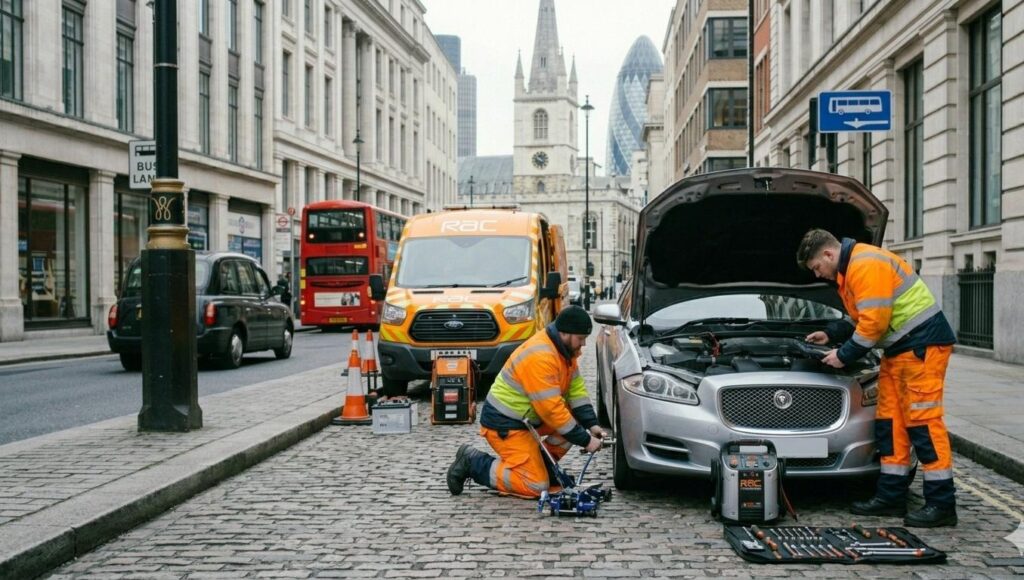
Extra load changes things, too. More passengers, more luggage, same tyres doing more work. Manufacturers usually account for this with different pressure recommendations for a reason. And if pressure drops suddenly while driving, that’s no longer routine maintenance territory. At that point, emergency tyre fitting may be the only safe option to get moving again.
Signs That Usually Show Up First
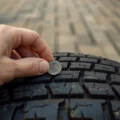
Tyre pressure rarely fails silently. It leaves clues. Uneven wear is one of the clearest ones. If one side of a tyre looks more worn than the other, pressure is usually part of the story.
Driving feels different, too. Sometimes it’s a heavier steering wheel. Sometimes the car just doesn’t sit straight and drifts slightly to one side. Fuel use can start creeping up without any clear reason. Same routes, same habits, but more fuel disappearing.
Vibration at higher speeds is another one. Not always tyre-related, but pressure is usually one of the first things worth ruling out. When these start appearing, the pressure is often already outside where it should be.
Getting It Right When You Check
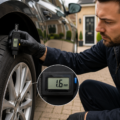
Accuracy depends on timing more than anything else. Cold tyres give the cleanest reading. If the car has been sitting for a few hours, that’s ideal. Once you drive, heat builds inside and temporarily inflates the reading. A proper gauge is worth using. Visual checks or “feeling” the tyre doesn’t really work here. Even built-in monitoring systems are more about alerts than precision.
The correct PSI isn’t guesswork either. It’s set by the manufacturer and usually printed inside the driver’s door or listed in the manual. It’s tied to weight, tyre size, and how the car is designed to behave. And the spare tyre, often forgotten, is still part of the system. If it’s flat when you need it, it defeats the purpose.
Mistakes That Quietly Cause Problems
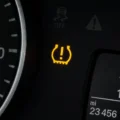
One of the most common habits is waiting for a warning light. By the time it comes on, pressure has usually been off for a while. Checking right after driving is another one. Heat throws off the reading, and that leads to unnecessary adjustments.
Guesswork is probably the biggest issue overall. Adjusting without proper values almost always leads to imbalance over time. Seasonal changes slip under the radar, too. Summer and winter can shift pressure more than most people expect, even if nothing else changes.
Small Habits That Actually Make A Difference
Tyre care works best when it blends into normal routines instead of becoming a separate task. Fuel stops are an easy checkpoint. So are regular service visits. It also helps to just pay attention while driving. If the steering feels slightly different or braking feels less sharp, that’s usually worth checking sooner rather than later. Keeping a simple gauge or inflator in the car removes excuses on longer trips. Nothing complicated here, just small habits that prevent bigger problems later.
Conclusion
Tyre pressure might not seem like something worth thinking about often, but it quietly affects almost everything about how a car behaves. Knowing when should tyre pressure be checked helps you stay ahead of issues instead of reacting after damage starts showing up. A monthly check, plus a quick look before heavier or longer trips, is usually enough to stay safe. And when things go wrong unexpectedly, it can even be the difference between a simple fix and needing an emergency tyre fitting. In the end, it’s not about doing more. It’s just about doing it often enough that the tyres don’t get a chance to surprise you.