

What to Do If You Get A Flat Tyre: Step by Step (UK Driver’s Guide)
A flat tyre never happens at a convenient moment. One minute you’re driving normally; the next, the steering feels heavy, you hear a rhythmic thump, and your stomach drops. Knowing what to do if you get a flat tyre (calmly and in the right order) keeps you safe and gets you moving again faster.
This guide walks you through it step by step: how to stop safely, when you should absolutely not attempt a change yourself, and why calling a mobile fitter is often the smarter call, especially as many modern cars no longer carry a spare at all. The UK driving test doesn’t cover any of this, so don’t feel caught out.
How to tell you’ve got a flat tyre
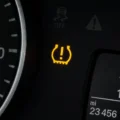
The car may pull to one side, the steering can feel heavy or vague, and you’ll often hear a thumping or rumbling through the wheel. On newer cars, your first warning might just be an amber tyre pressure warning light on the dash, that’s your TPMS system flagging a drop in pressure before you feel anything through the wheel. If you notice any of these issues, don’t ignore them and don’t keep driving in the hope it settles. Driving on a flat ruins the tyre, can wreck the wheel rim, and badly affects how the car steers and stops. It’s not just about the tyre, either, the DVLA can fine you up to £2,500 and add 3 points to your licence for driving on a defective tyre, so there’s a legal reason to stop as much as a safety one. The sooner you react, the more likely the tyre can be repaired rather than replaced, and the safer you’ll be. Ease off the accelerator gently and start planning where to stop.
Step 1: Slow down and pull over safely
Resist the urge to brake hard or swerve. A sudden input on a damaged tyre can pull the car off line, especially if it’s a front tyre. Instead, lift off the accelerator and let the car slow gradually while you keep a firm, steady grip on the wheel.
Indicate early and look for the safest place to stop. You want firm, level ground, well away from moving traffic, and ideally not on a blind bend or the brow of a hill. A car park, side road, or driveway is far better than a roadside verge. On an A-road, get as far from the live lane as you can.
Here’s the bit people often get wrong: it’s genuinely safer to keep the car moving a short distance at low speed to reach proper safety than to stop dead somewhere dangerous. The RAC’s own advice is blunt about this. A damaged wheel rim is a much smaller problem than being stopped in a live lane or on a blind bend. Don’t fixate on stopping instantly; a few extra seconds to reach a genuinely safe spot is worth it. The flat is already flat; a slightly longer roll won’t make it meaningfully worse.
Step 2: Switch on hazards and get everyone safe
Once stopped, put your hazard warning lights on straight away so other drivers can see you. If it’s dark or visibility is poor, turn on your sidelights too.
Apply the handbrake and, if you’re on any kind of incline or near traffic, turn the steering so the wheels point away from the road. If you’re on level ground away from moving traffic, wheel chocks (or anything solid, like a rock) placed against the opposite wheel add an extra layer of security before you jack the car up. Get any passengers out of the vehicle through the doors on the side away from traffic, and keep children and pets under control. Put on a hi-vis vest if you have one, and if you’re on anything busier than a quiet side road, set a warning triangle around 45 metres behind the car to give approaching drivers more warning.
If you’re calling for help rather than fixing it yourself, share your exact location using the What3Words app it gives a precise three-word reference for wherever you’re stood, which is far faster and more accurate than trying to describe a stretch of road, especially at night or somewhere unfamiliar.
Then take a breath and assess honestly: is it genuinely safe for you to change this tyre here? The Highway Code is clear: only change a tyre if you can do so without putting yourself or others at risk. If there’s any doubt, call for help instead.
When NOT to change it yourself: The Motorway Rule
This is the most important section, so read it even if you skim the rest. Never attempt to change a tyre on a motorway hard shoulder. The AA and National Highways are unambiguous: no roadside repair, however quick, is worth the risk with traffic passing at 70mph just feet away.
Worth knowing: it isn’t actually illegal to change a wheel on the hard shoulder. This is one of the most argued-about points on UK driving forums, and a lot of drivers assume there’s a specific law against it. There isn’t. But every motoring organisation in the country advises against it for the same reason: you’re standing inches from live traffic with nothing but a painted line for protection. If you have to be there while you wait for help, working on the nearside (the side away from traffic) is safer than the offside, and staying behind the safety barrier is safer than staying with the car at all.
If you know nothing else about what to do if you get a flat tyre, National Highways advises a simple sequence often summed up as “go left”:
- Get left. Leave at the next exit or pull into a service area if you can. If not, move onto the hard shoulder and stop as far to the left as possible.
- Get out and behind. Switch on hazards, leave the car through the left-hand doors, and get everyone behind the safety barrier.
- Get help. Call National Highways on 0300 123 5000, then your breakdown provider, using the free emergency phones or your mobile.
One extra note if you’re on a smart motorway with no hard shoulder at all: get to the nearest emergency refuge area or exit if you possibly can. If you can’t, stay in the car with your seatbelt on and hazards on, and call 999 immediately, this is a genuine emergency, not a “wait it out” situation.
Changing the tyre yourself (only if it’s truly safe)
If you’re somewhere safe, a quiet driveway, car park, or level side road in daylight, and you have the right kit, changing the wheel is straightforward:
- Loosen the wheel nuts slightly before jacking, using the brace (and your locking wheel nut key if fitted).
- Position the jack at the manufacturer’s jacking point and raise the car until the flat is just off the ground.
- Fully remove the nuts, swap the flat for the spare, then hand-tighten the nuts.
- Lower the car, then tighten the nuts firmly in a diagonal (star) pattern.
Once you’re moving again, pull over after a few miles and check the nuts are still tight. They can settle slightly once the wheel’s properly bedded in, and it only takes a minute to check.
If your spare is a narrow “space-saver”, remember it’s a temporary fix only: most are limited to around 50mph and a short distance, so head straight to a garage for a proper replacement.
The reality: many modern cars have no spare
Here’s what catches a lot of drivers out. To save weight and boot space, a large share of new cars come with no spare wheel at all, just a tyre sealant and inflation kit. If that’s you, there’s no wheel to swap.
A sealant kit can temporarily seal a small tread puncture and reinflate the tyre enough to reach help. But it won’t fix a sidewall split, a large hole, or a tyre that’s already shredded, and once the canister is used, it needs replacing. There’s also a catch a lot of drivers don’t find out until it’s too late: once sealant has been used inside a tyre, many garages won’t repair it at all. The residue makes it hard to get a clean patch to seal, so a “quick fix” often turns into buying a full replacement tyre rather than a simple repair. Run-flat tyres buy you a bit more leeway, typically around 50 miles at up to 50mph, but no further.
Final Thoughts
A flat tyre on motorway is stressful, but the right response is calm and ordered: slow down gently, stop somewhere safe, switch on your hazards, and get everyone clear of traffic. Only change it yourself if you’re certain it’s safe, and never on a motorway hard shoulder.
If you’ve no spare, the sealant won’t hold, or you’d rather not risk it, we can come to you. Call our mobile team for a fast replacement if you don’t know what to do if you get a flat tyre, and we’ll get you safely back on the road.
Frequently Asked Questions
Is it actually illegal to change a tyre on a motorway hard shoulder?
No, there’s no specific law against it, and this is one of the most common misconceptions we see discussed on UK driving forums. Every motoring organisation (AA, RAC, National Highways) advises against it purely on safety grounds, not legal ones: you’d be working inches from live traffic. If you must wait with the car, stay on the nearside (away from traffic) rather than the offside, and get behind the barrier if you can.
My tyre pressure light came on but the tyre looks fine. Do I still need to stop?
Yes, treat it seriously. A TPMS warning light often appears before a slow puncture becomes visible or noticeable through the steering. Pull into a safe spot, check the tyre pressure visually and with a pressure gauge if you have one, and don’t assume it’s a false alarm just because nothing looks obviously wrong.
I used my tyre sealant kit and it worked. Why won’t a garage repair the tyre now?
This catches a lot of drivers out. Once sealant has been injected into a tyre, the residue coats the inside and makes it difficult to get a proper patch to bond, so many tyre fitters and garages will only offer a full replacement rather than a repair, even if the puncture itself was small. It’s worth knowing this before you rely on the sealant kit as anything more than a way to reach help.
Can I keep driving slowly to reach a safer spot, or should I stop the second I notice a flat?
You can, and often should. Continuing at low speed for a short distance to reach genuinely safe, level ground is better than stopping in a dangerous spot like a blind bend or a live lane, even though it will do some damage to the tyre and possibly the rim. A ruined tyre is a far smaller problem than being stopped somewhere unsafe.
What’s the actual penalty in the UK for driving on a flat or damaged tyre?
Driving with an illegal or defective tyre can result in a fine of up to £2,500 and 3 penalty points per tyre, on top of the safety risk to you and other road users. It’s a legal issue as well as a mechanical one.
How long can I actually drive on a space-saver spare before it’s a problem?
Space-savers are built for a short-term fix only, typically capped at around 50mph and not intended for long distances. Beyond that, you’re relying on a tyre with less grip and weaker braking performance than a full-size one. Get to a garage for a proper replacement as soon as you reasonably can, rather than treating it as a normal tyre.
Is a flat tyre covered by breakdown cover, or do I need to pay separately?
Most breakdown policies cover flat tyres as standard, sending a technician to repair or replace it at the roadside. What’s included (repair only, versus a full replacement tyre) and how quickly they respond varies by provider and cover level, so it’s worth checking your own policy rather than assuming.